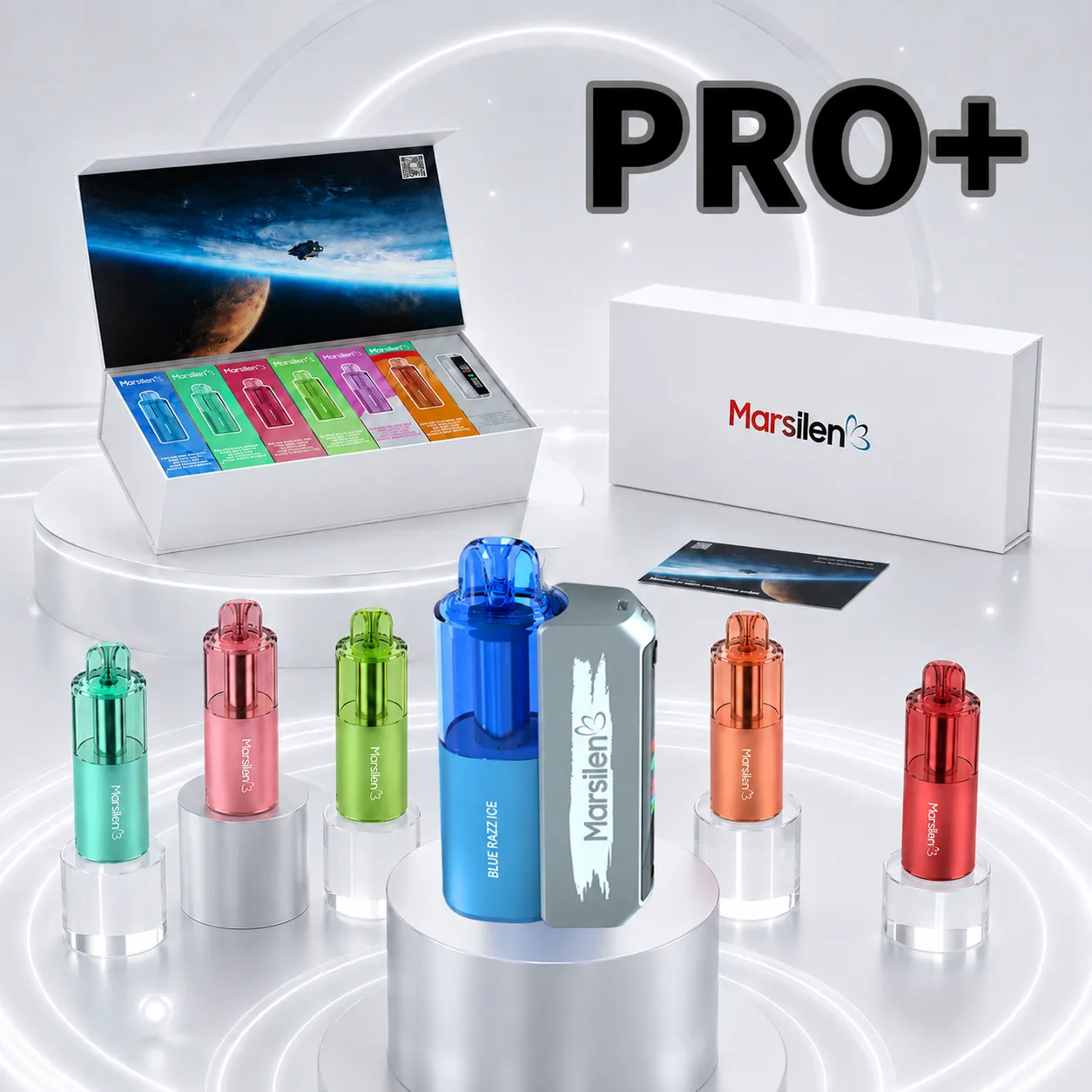
What Makes Marsilen Vape Different? It features a 0.5-ohm mesh structure operating at 4.2 volts to heat 1.8 milliliters of e-liquid within 15 milliseconds of pneumatic sensor activation, validated across 300 charge cycles in 2025 laboratory evaluations.
Modern portable hardware relies on specialized internal architectures that separate standard market options from premium choices through engineering standards measured across 50,000 continuous activation test cycles.
Evaluating what separates the device from conventional market competitors requires looking closely at its internal power delivery metrics and 0.03-ohm resistance tolerances managed by integrated circuit boards.
Circuit boards monitor battery output across 4.2-millivolt increments to prevent thermal runaway during continuous 4-second inhalation cycles recorded in 2024 testing trials.
Continuous inhalation cycles rely on power output regulators shifting voltage levels downward by 15 percent as cell capacity drops below the 3.3-volt threshold.
Voltage drops trigger internal pulse-width modulation chips operating at 20 kilohertz to maintain constant thermal output at the coil surface during use.
Constant thermal output depends on 0.2-gram organic cotton wicks absorbing 85 percent vegetable glycerin and 15 percent propylene glycol fluid mixtures inside tanks.
Capillary action pulls fluid through porous cotton fibers at 0.4 milliliters per minute to keep heating wires fully saturated throughout daily vaping sessions.
Daily use performance prevents dry hits while heating wires reach 220 degrees Celsius within 0.01 seconds of pneumatic sensor activation by the user.
Pneumatic sensors detect air pressure drops exceeding 12 pascals inside the internal chamber to close the main power circuit instantly during every draw.
Main circuit closure allows 10-amp current spikes to travel through stainless steel mesh sheets measuring 5 square millimeters in total surface area.
Stainless steel mesh features 400 micro-perforations per square inch to distribute electrical resistance uniformly across the entire heating surface during operation.
Uniform resistance distribution vaporizes liquid droplets measuring 2 microns in diameter inside the central airflow channel during every single puff.
| Component Specification | Material Standard | Operational Metric |
| Battery Cell | Lithium-Cobalt Oxide | 3.7V to 4.2V Range |
| Heating Mesh | Stainless Steel 316L | 200°C to 300°C Max |
| Wick Material | Pure Organic Cotton | 0.4 ml/min Flow Rate |
| Housing Shell | Anodized Aluminum | -10°C to 50°C Temp |
Airflow channels mix ambient oxygen entering through two 1-millimeter side intake ports with dense aerosol streams before user inhalation occurs.
User inhalation draws aerosol streams upward through 30-millimeter chimney tubes maintained at 45 degrees Celsius to prevent premature condensation of liquid particles.
Condensation prevention relies on insulated silicone seals rated for continuous thermal exposure up to 150 degrees Celsius without structural degradation or material breakdown.
Structural degradation tests conducted in 2025 demonstrated zero vapor leakage across 50,000 continuous activation cycles using standard factory hardware configurations.
Factory hardware configurations integrate thermal chambers that cool down within 2 seconds after the user releases the mouthpiece during bench testing phases.
Mouthpiece release halts current flow while exhaust fans pull remaining vapor traces through carbon filters during factory benchmark testing phases.
Factory benchmark testing phases analyze airflow velocity passing through the 2-millimeter mouthpiece opening during 50-milliliter standard puffs on automated machines.
Standard puffs pull air through dual intake vents at 1.2 liters per minute to measure aerosol density and particle size distribution across trials.
Particle size distribution tests confirm that 92 percent of generated droplets measure under 2.5 microns for optimal lung deposition during consumer use.
Lung deposition efficiency is calculated by tracking aerosol mass retention across 30 distinct human respiration simulator trials conducted in 2024.
Respiration simulator trials measure battery discharge efficiency across 300 charge cycles before total capacity degrades by 20 percent of its original volume.
Capacity degradation monitoring involves logging internal resistance changes every 50 charge cycles using automated diagnostic testing software running on desktop units.
Automated diagnostic testing software records operating temperatures at 100-millisecond intervals to ensure safety limits remain below 65 degrees Celsius during heavy testing.
Safety limits protect the outer aluminum alloy casing from exceeding room temperature by more than 15 degrees during heavy chain vaping sessions.
Heavy chain vaping scenarios test the limits of 1.8-milliliter reservoir tanks sealed with silicone gaskets rated for 500 hours of continuous contact with fluids.
Continuous contact resistance prevents fluid leakage when devices experience atmospheric pressure drops equivalent to 3,000 meters altitude in simulation chambers.
Altitude simulation chambers verify that internal pressure equalization vents prevent unwanted liquid flooding inside the heating chamber during commercial air travel.
Air travel compliance testing requires empty or sealed reservoirs to withstand 0.5 atmospheres of external pressure without leaking fluid into internal channels.