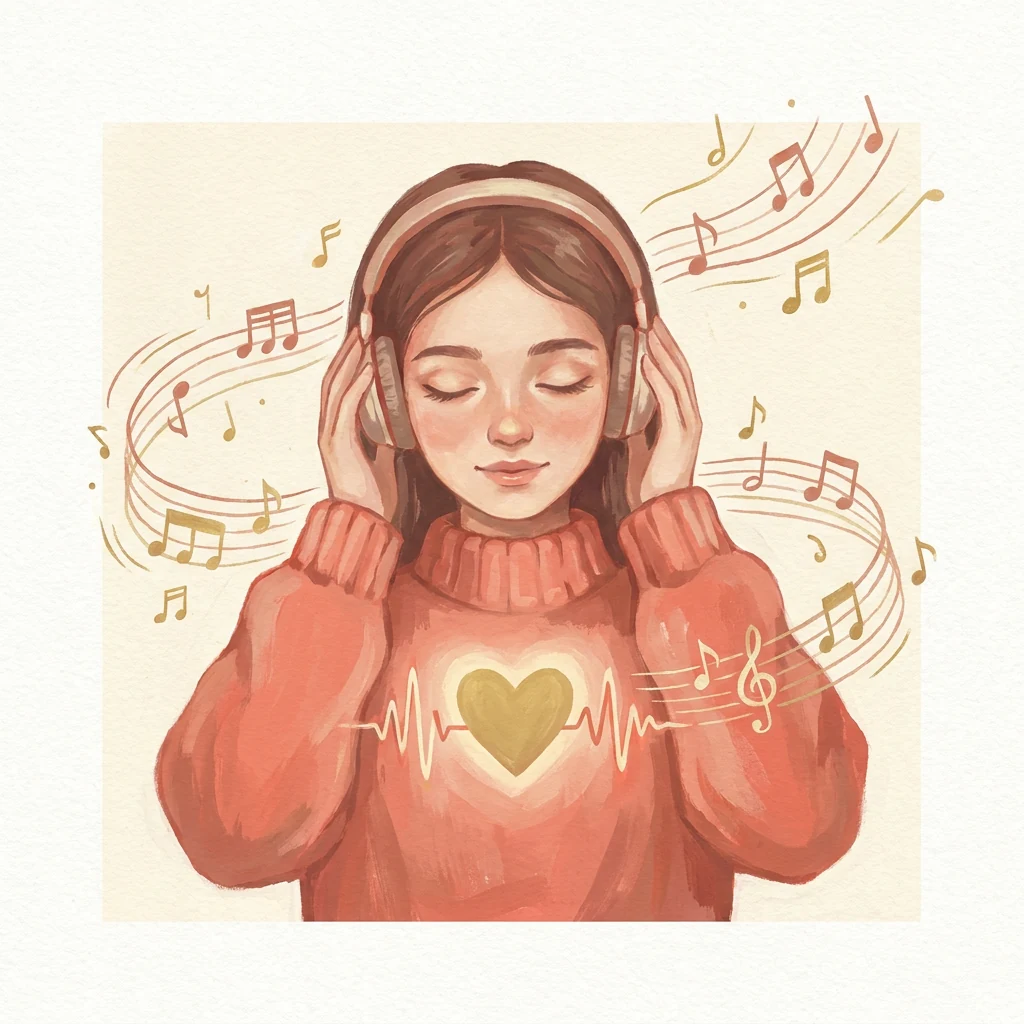
A custom song gift turns memories into music by converting personal stories, dates, places, and emotions into original lyrics and melodies. Unlike a standard song, it is created around one person or one relationship. Research on music and memory shows that personally meaningful songs can create stronger emotional reactions than unfamiliar music. A 2013 study published in Memory & Cognition found that music connected with personal experiences improved recall compared with neutral audio. A thank you song gift can preserve a friendship, family bond, or special moment in a format that can be replayed for years.
Music has always been connected with personal memories because the brain links sound patterns with emotional experiences. When people hear a song from a meaningful period of life, they often remember specific locations, conversations, and feelings. A custom song uses this natural connection by adding details that belong to one person rather than a general audience.
“A song becomes more personal when the listener can recognize their own story inside the lyrics.”
The creation process usually starts with collecting memories. A songwriter may ask about important dates, shared experiences, personality traits, favorite places, and phrases that have special meaning. For a wedding song, details may include the year a couple met, the location of their first date, or a small habit that represents their relationship.
A 2020 survey from the gift industry showed that more than 60% of consumers preferred personalized gifts because they felt more connected to the receiver. Custom songs follow this trend by transforming private experiences into a creative work instead of offering a common product.
The information collected during the first stage becomes the foundation for the lyrics. Writers usually select details that represent the relationship rather than simply listing events. A strong custom song may mention a family tradition, a shared trip, or a difficult period that two people experienced together.
| Memory Type | How It Appears in a Song |
|---|---|
| First meeting | Opening lyrics describing the beginning of a relationship |
| Family moments | Verses about shared experiences |
| Personal jokes | Unique lines understood by the receiver |
| Important dates | References that connect with specific memories |
| Life achievements | Celebratory sections about growth and progress |
The next step is arranging those details into a musical structure. Most popular songs follow patterns with verses, choruses, and bridges. A custom song often uses the same structure but fills each section with personal information. The chorus usually repeats the main message because repetition helps listeners remember melodies and lyrics.
Music psychology research has shown that repeated musical patterns improve familiarity. In a 2012 study involving 44 participants, researchers found that repeated exposure increased recognition and emotional connection to unfamiliar songs. This explains why a personalized chorus can become memorable after only a few listens.
“The melody carries the feeling, while the lyrics explain why the feeling exists.”
The style of music also affects how memories are presented. A romantic story may use soft acoustic arrangements, while a celebration song may include energetic drums and brighter melodies. Different musical choices help match the sound with the personality of the person receiving the gift.
Common style choices include:
-
Acoustic guitar for warm and personal messages
-
Piano arrangements for emotional stories
-
Pop production for celebrations
-
Country-style songwriting for family memories
-
R&B influences for romantic themes
Technology has changed how people create personalized music. Before online music services became common, custom songs often required finding a local musician and arranging multiple meetings. Today, digital platforms allow customers to submit stories, choose music styles, and receive finished recordings remotely.
Platforms such as thank you song gift provide tools that help transform personal stories into original songs. The process allows people to create personalized music without needing professional songwriting experience. Online creation methods have expanded access because customers can participate from different locations and provide details through digital communication.
The growth of personalized digital products has continued since the early 2010s. The global personalized gift market expanded as consumers looked for products connected with individual experiences. A 2022 consumer report found that around 70% of shoppers considered personalization an important factor when selecting meaningful gifts.
Custom songs are often chosen for events where emotional expression matters. The purpose is not only entertainment but also preserving a specific relationship or moment.
| Occasion | Example Song Purpose |
|---|---|
| Wedding | Describing the couple’s journey |
| Anniversary | Celebrating years together |
| Birthday | Highlighting personality and memories |
| Graduation | Recognizing achievements and future goals |
| Appreciation | Expressing gratitude to someone important |
| Memorial | Remembering a person’s life story |
A personalized appreciation song has become popular because ordinary thank-you messages are often temporary. A written note may be read once, but a recorded song can be played repeatedly. For example, a thank-you message from a child to a parent can include childhood memories, family traditions, and specific moments that shaped their relationship.
Memory preservation is another reason custom songs attract attention. Photos capture visual details, videos record movement, but music can represent emotional experiences. A melody may remind someone of a specific year, place, or person even decades later.
Research from the University of California, Davis in 2009 examined how music activates brain regions related to memory and emotion. The study used brain imaging with participants listening to music and found connections between familiar songs and autobiographical memories. These findings help explain why personalized music can feel deeply connected to past experiences.
The production stage combines creative writing with technical recording. A complete custom song may involve several parts:
| Stage | Main Task |
|---|---|
| Story collection | Gathering personal information |
| Lyric writing | Creating verses and chorus |
| Composition | Building melody and arrangement |
| Recording | Adding vocals and instruments |
| Editing | Improving sound quality |
The time required depends on the complexity of the project. Some simple songs can be completed within several days, while detailed productions may require weeks. Professional recordings often involve multiple revisions to ensure that the lyrics match the intended message.
Custom songs also create a different type of gift experience because the receiver usually knows that the creator spent time sharing memories and emotions. The personal information included in the song makes the result difficult to replace with another item.
“A personalized song does not only deliver a message; it preserves the story behind that message.”
The emotional response often comes from small details. Mentioning a favorite place, a familiar nickname, or a shared experience can make the listener feel recognized. These details separate custom songs from general music because they belong to one specific relationship.
As digital tools continue improving, personalized music is becoming easier to create. Since 2020, artificial intelligence-assisted music tools have increased access to songwriting and production, allowing more people to create original songs without formal musical training.
A custom song gift combines storytelling, technology, and music production into one personal experience. By turning memories into lyrics and melodies, it gives people a way to celebrate relationships, express gratitude, and preserve meaningful moments in a form that can be heard again.